SHOCKWAVE THERAPY
MOORE PERFORMANCE HEALTH LAUNCHES SHOCKWAVE THERAPY IN METRO DETROIT
A leading provider of physical therapy
and personal training in Metro Detroit
announces the addition of shockwave
therapy as a treatment option.

What is Shockwave Therapy?
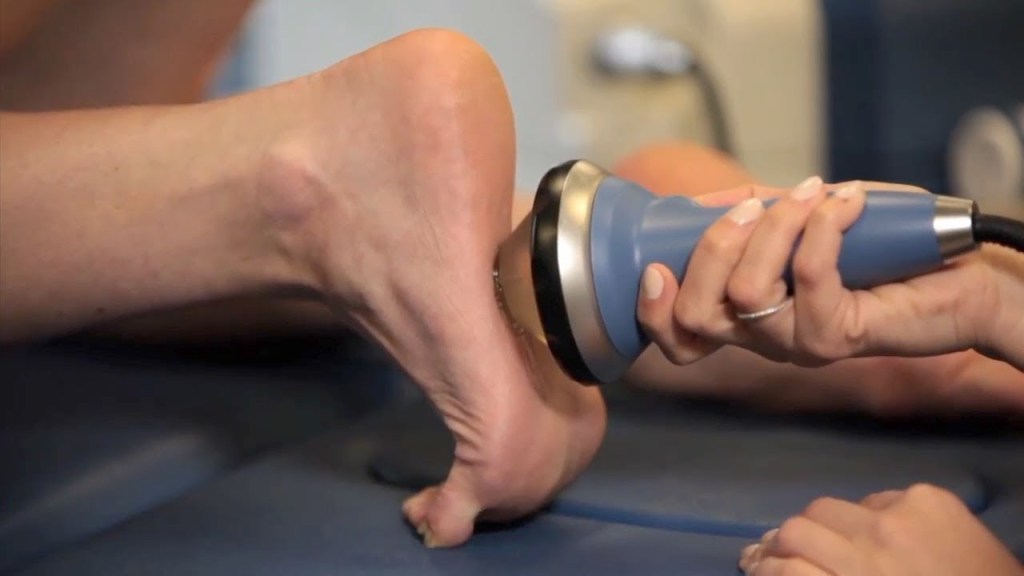
Shock Wave Therapy is a non-invasive procedure often used to treat injured bones, joints, muscles, tendons, and other soft tissues. With no need for painkillers, shock wave therapy can offer fast pain relief and aid recovery for a range of chronic conditions including:
- Achilles Tendonitis
- Plantar Fasciitis
- Tennis Elbow
- Medial Tibial Stress Syndrome (Shin Splints)
- Hamstring Issues
- Patellar Tendonitis (Runner’s Knee)
- Any other chronic soft-tissue pain
WHO SHOULD GET SHOCKWAVE THERAPY?
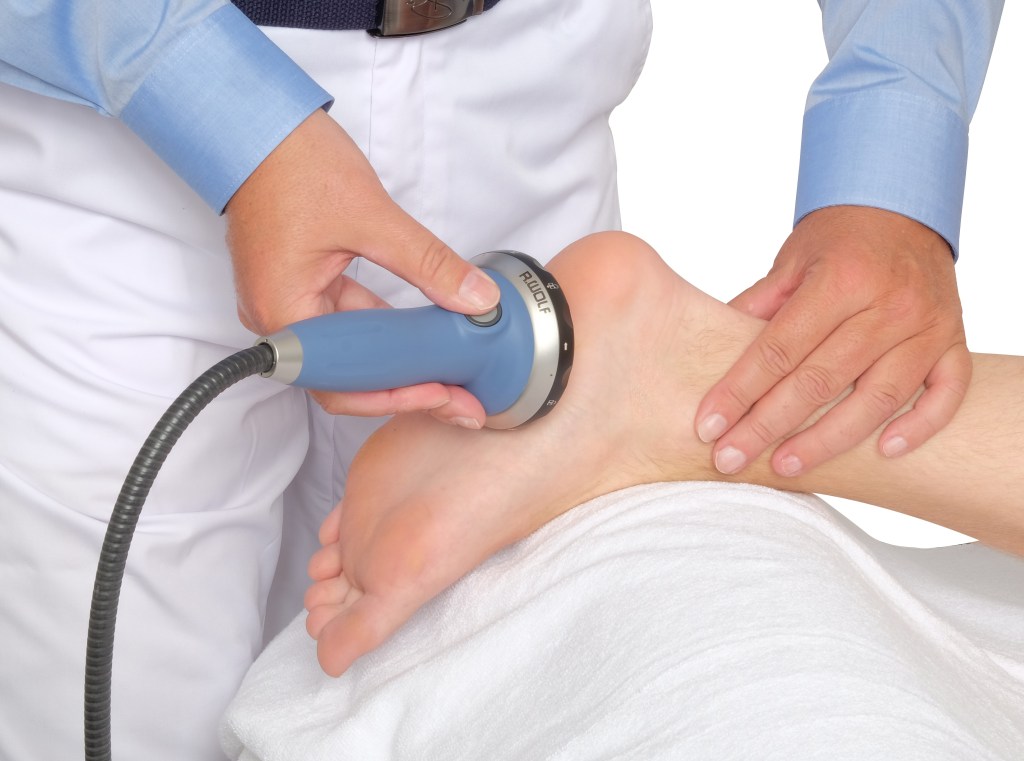
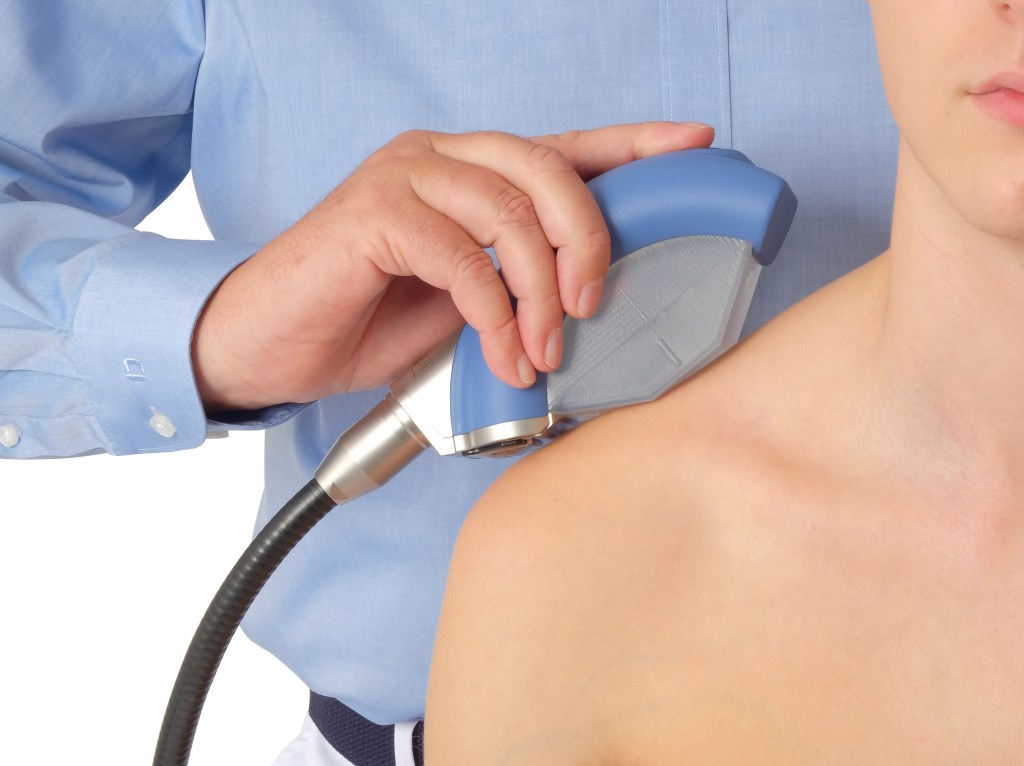
Because of the conditions it is used to treat, shockwave therapy is commonly used by athletes or those with ‘overuse’ injuries, although studies show it can benefit anyone experiencing this range of conditions. Shock wave therapy is proven to stimulate metabolic ‘healing’ reactions, it has a very high rate of success in treating difficult-to-treat and painful injuries.
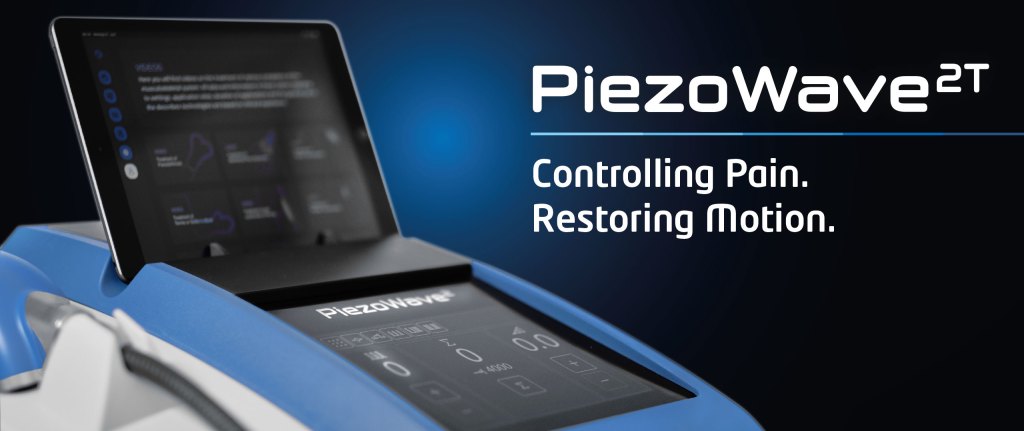
Moore Performance Health uses Elvation PiezoWave 2 Myofascial Acoustic Compression Therapy
Technology
PiezoWave 2 with Myofascial Acoustic Compression Therapy (MyACT)™ can pinpoint the pain and treat at the source. MyACT is widely used in the treatment of acute and chronic pain in muscles, tendons and joints. Myofascial Acoustic Compression Therapy describes the use of acoustic waves to target tissue at
varying depths to compress and manipulate tissue resulting in a focused and precise deep tissue massage. The results of the mechanical stimulus delivered by MyACT can lead to increased circulation and pain relief – key components in the healing process.
Shockwave Therapy Reviews
Came here not able to walk for more than 10 minutes & in extreme discomfort. 5 weeks later I’m walking with 0 discomfort!! Gregory is extremely knowledgeable and truly wants to see you recover. He doesn’t BS. He’s helped more than any doctor or PT has in the last year.
— Daman G.
I arranged a Saturday a.m. visit. After the session, I noted that I could walk a bit faster and farther because I had less pain. By the third visit, I was descending the stairs normally (except while carrying a heavy bundle.) And before my final session, I was traveling the store aisles much faster than I had been for 1 1/2 years. I am thrilled that I took a chance
— Ann W.
The shockwave treatment is somewhat crazy sounding at first, but I highly recommend it. I’m a very skeptical person, but I’m a firm believer that it works. One of the main reasons I think it works is I wasn’t the best (sorry Greg lol) about doing my PT on my own throughout this time, so I think the shockwave treatment has been doing some heavy lifting.
— Tyler O.
Cellular and tissue level healing reactions from Shockwave therapy
- Stimulation of microcirculation
- Release of substance “P”
- Hyperstimulation analgesia (Gate-Control)
- Reduction of non-myelinated nerve fibers
- Release of nitric oxide which causes vasodilation, increases metabolism and angiogenesis, and has an anti-inflammatory effect
- Releases of growth factors (blood vessels, epithelium, bones, collagen, etc.)
- Stimulation of stem cells
- Stimulates lubricin production

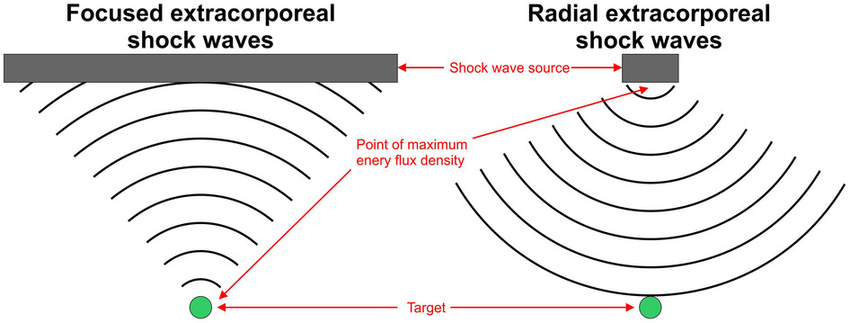
Why choose extracorporeal shockwave therapy (ESWT) as opposed to extracorporeal pulse activation technology (EPAT):
Focal shockwave therapy is a highly effective and precise treatment for tendon and soft tissue pain because it delivers energy directly to the affected area with pinpoint accuracy. Unlike radial pressure waves, which disperse energy over a broader area and penetrate less deeply, focal shockwaves target deeper tissues, allowing for a more concentrated and therapeutic effect. This precision helps stimulate faster healing by promoting blood flow, reducing inflammation, and encouraging tissue regeneration exactly where it is needed. As a result, focal shockwave therapy is often more suitable for addressing chronic or severe pain conditions, providing faster and longer-lasting relief.

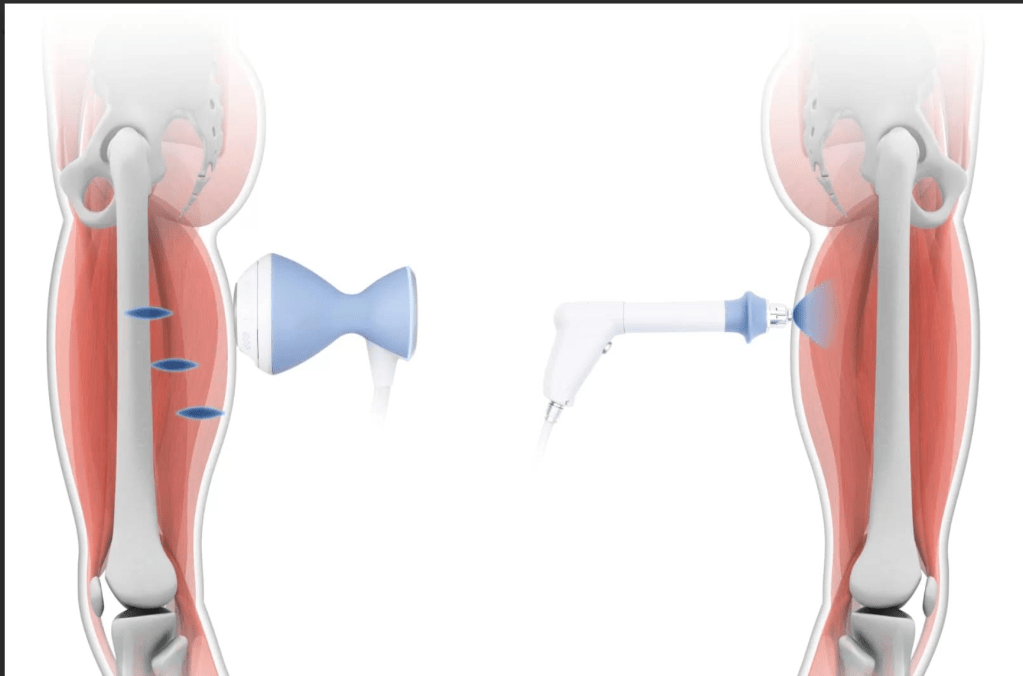
Why choose extracorporeal shockwave therapy (ESWT) as opposed to extracorporeal pulse activation technology (EPAT):
Focal shockwave therapy is a highly effective and precise treatment for tendon and soft tissue pain because it delivers energy directly to the affected area with pinpoint accuracy. Unlike radial pressure waves, which disperse energy over a broader area and penetrate less deeply, focal shockwaves target deeper tissues, allowing for a more concentrated and therapeutic effect. This precision helps stimulate faster healing by promoting blood flow, reducing inflammation, and encouraging tissue regeneration exactly where it is needed. As a result, focal shockwave therapy is often more suitable for addressing chronic or severe pain conditions, providing faster and longer-lasting relief.

1.
Good Results in 84% of the patients
The Effects of Myofascial Acoustic Compression Therapy (MyACT™) and Cryotherapy in Treating Patellar
Tendinopathies in Professional Athletes
2.
Decrease of pain by 72.1%
Myofascial Acoustic Compression Therapy (MyACT™) Therapy Is Safe and Effective in the Treatment of Chronic Recalcitrant Plantar Fasciitis
3.
85% of patients return to active sports faster
Low-Energy Acoustic Compression Therapy as a Treatment for Medial Tibial Stress Syndrome

Standard Indications from The International Society of Medical Shockwave Treatment (ISMST)
Indications | ISMST (shockwavetherapy.org)

Chronic Tendinopathies
- Calcifying tendinopathy of the shoulder
- Lateral epicondylopathy of the elbow (tennis elbow)
- Greater trochanter pain syndrome
- Patellar tendinopathy
- Achilles tendinopathy
- Plantar fasciitis, with or without heel spur
Bone Pathologies
- Delayed bone healing
- Bone Non-Union (pseudarthrosis)
- Stress fracture
- Avascular bone necrosis without articular derangement
- Osteochondritis Dissecans (OCD) without articular derangement
Advantages of Myofascial Acoustic Compression Therapy
Locates and alleviates musculoskeletal pain
Improves mobility
Non-Invasive
Reduced Pain Medications
Improves range of motion by eliminating adhesions
Improves circulation, alleviates pain and muscle tightness and promotes healing
Helps to get you back in the game to more normal daily activities
Common Questions Regarding Treatment
How long does treatment take?
- A typical PiezoWave2 session takes between 10 and 20 minutes, the therapist will use the remaining time to instruct your care
- Typically, 1-2 treatments per week are performed
- A total of 3-5 treatments may be necessary before lasting improvement is achieved
- With acute pain, a single session is often successful.
What to expect during your MyACT treatment
- Your clinician will identify the treatment site(s)
- They will then apply a thin coat of coupling gel
- The clinician will start the treatment at a very low output setting and increase the power to a level that you help define and is best suited for your condition.
- As the clinician moves the therapy source around the treatment area, you may feel a deep, dull ache over the area of concern.
- The clinician will ask you to report when you feel the ache and will adjust the output of the device to the appropriate level for your treatment.
- After the treatment is completed, the coupling gel will be removed, and you can return to your normal activities